

Don Chisciotte: la maniglia di design che crea un nuovo classico
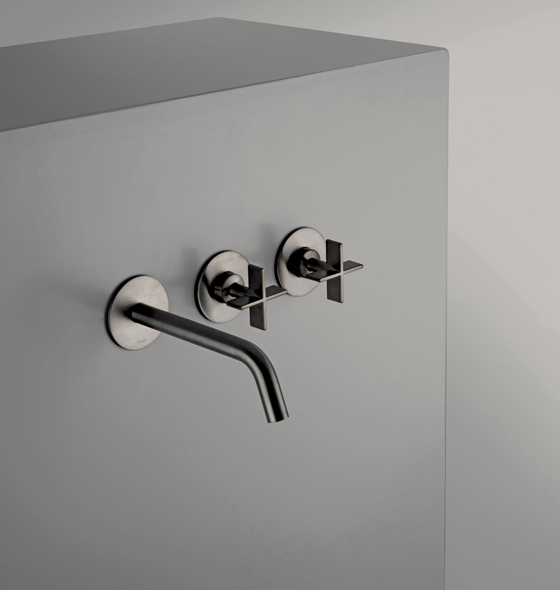
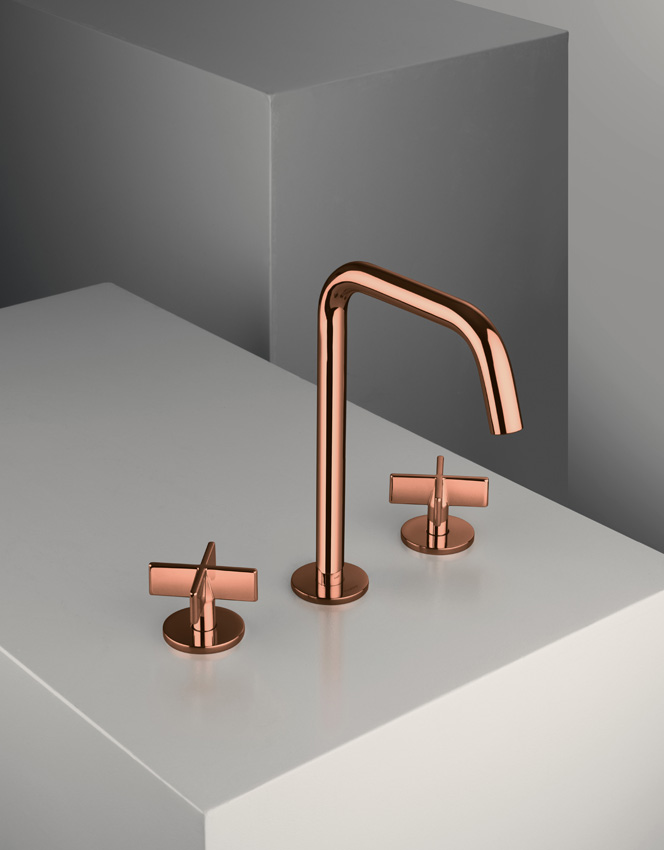
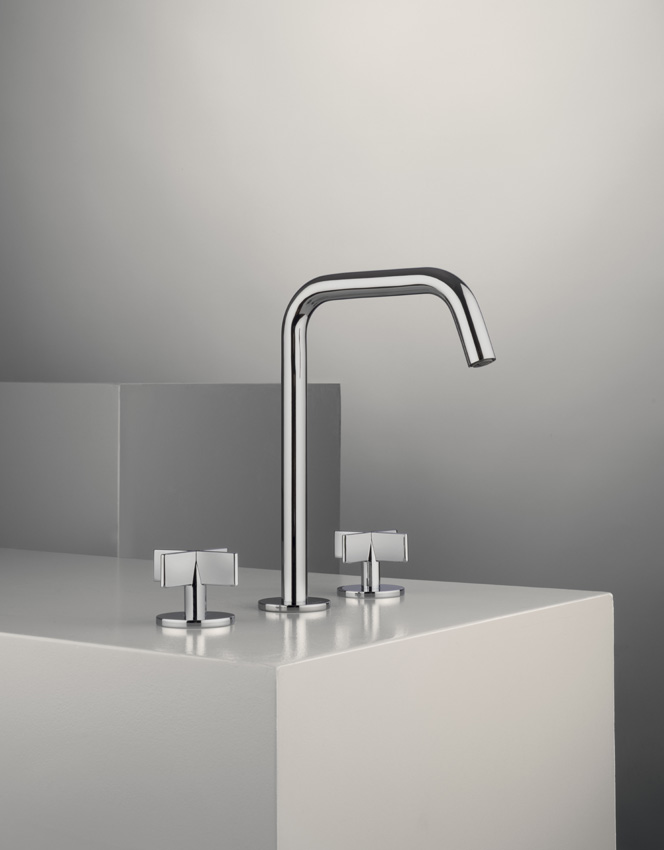
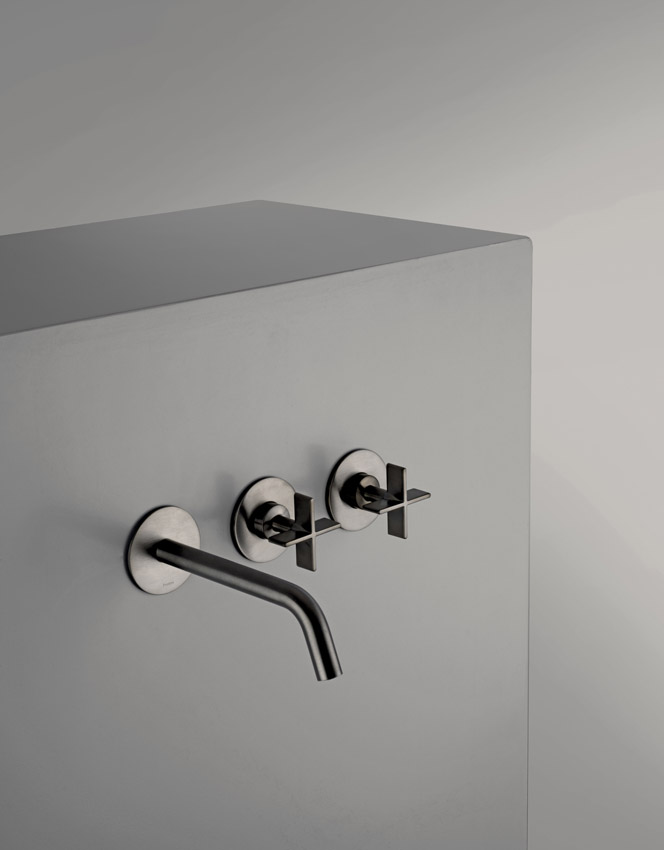
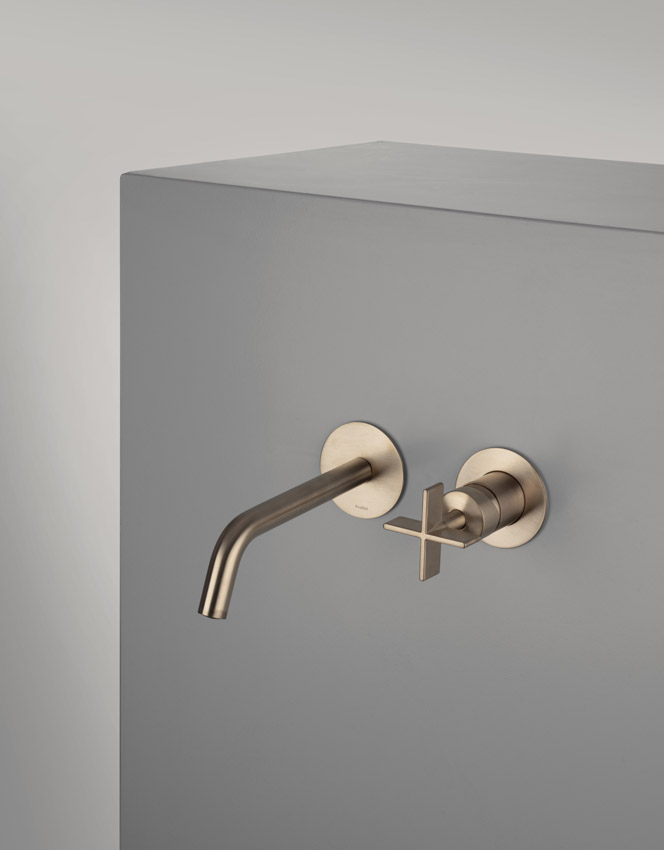
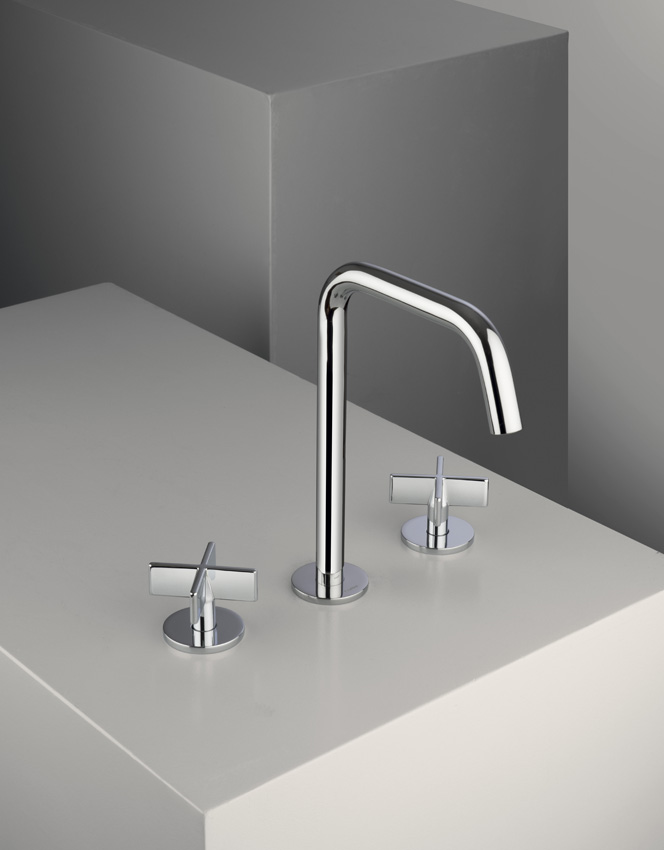
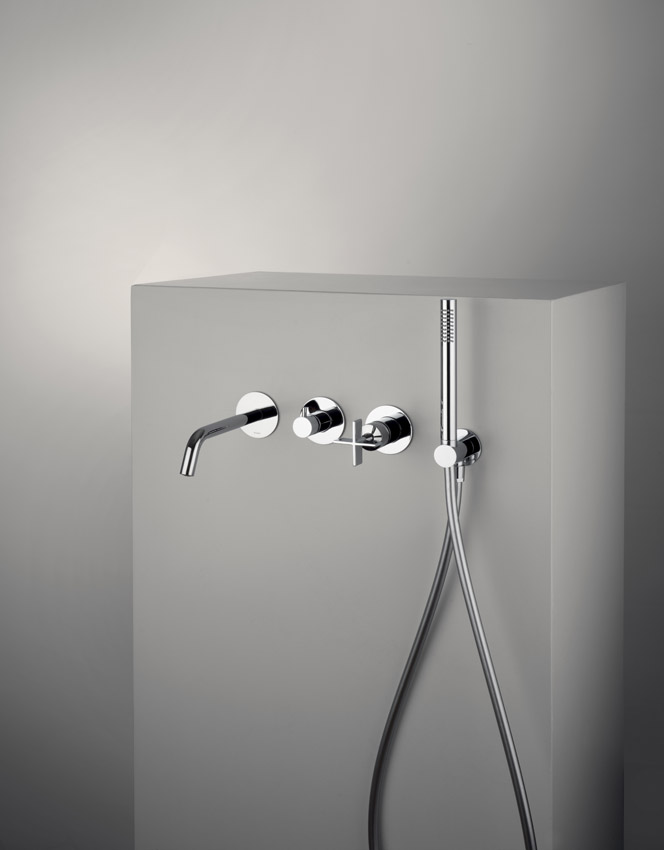
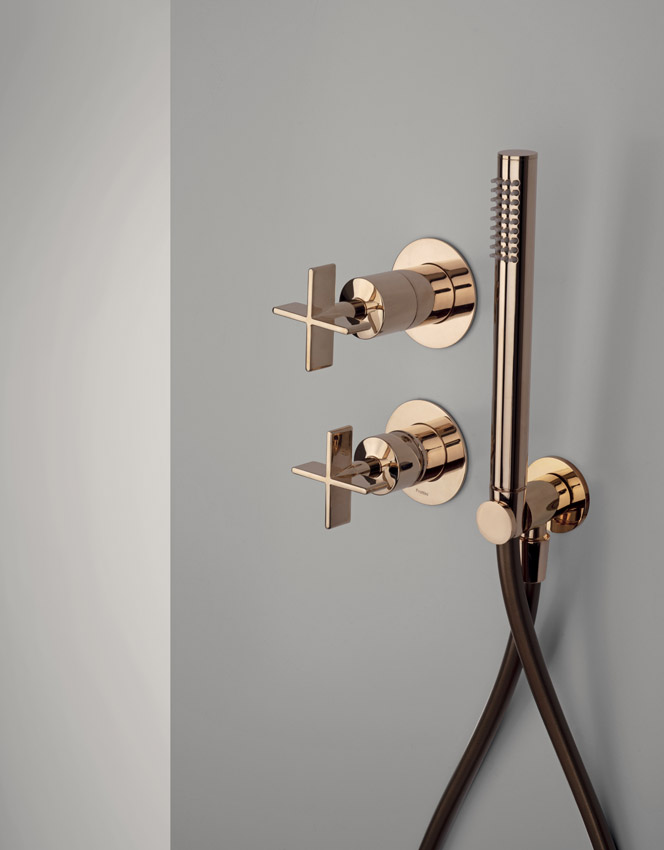
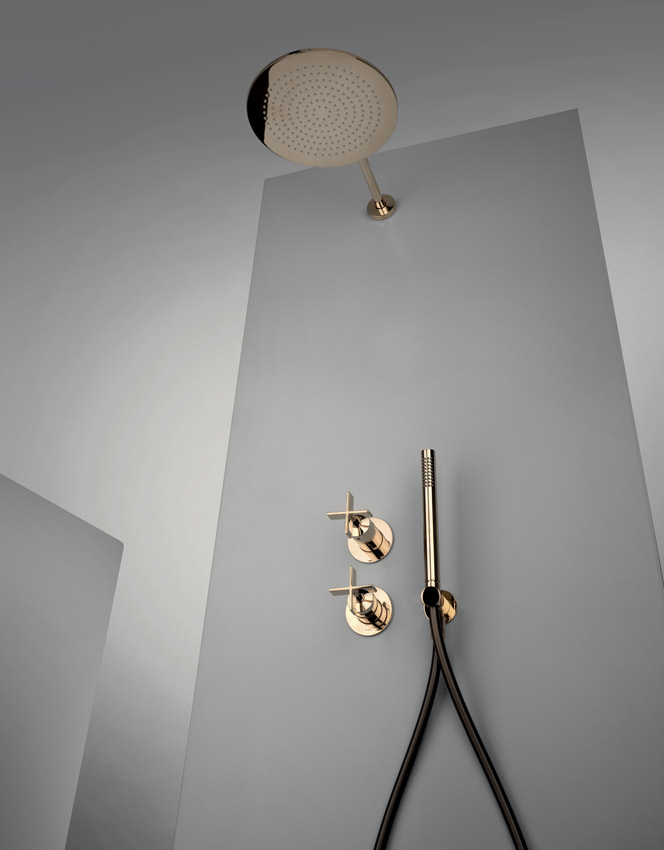
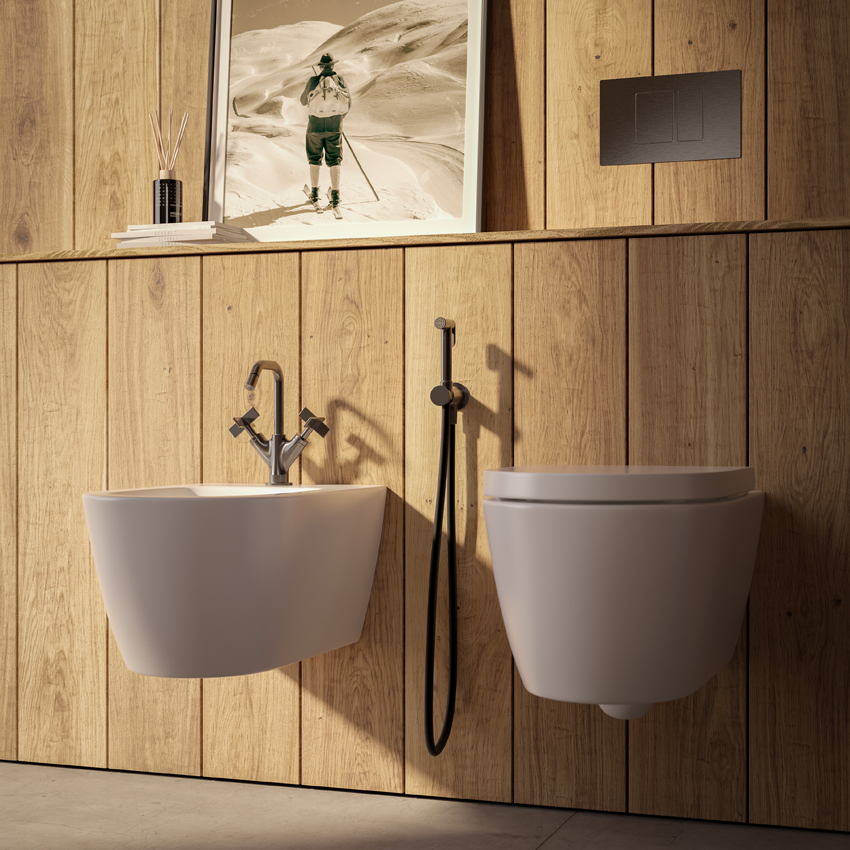
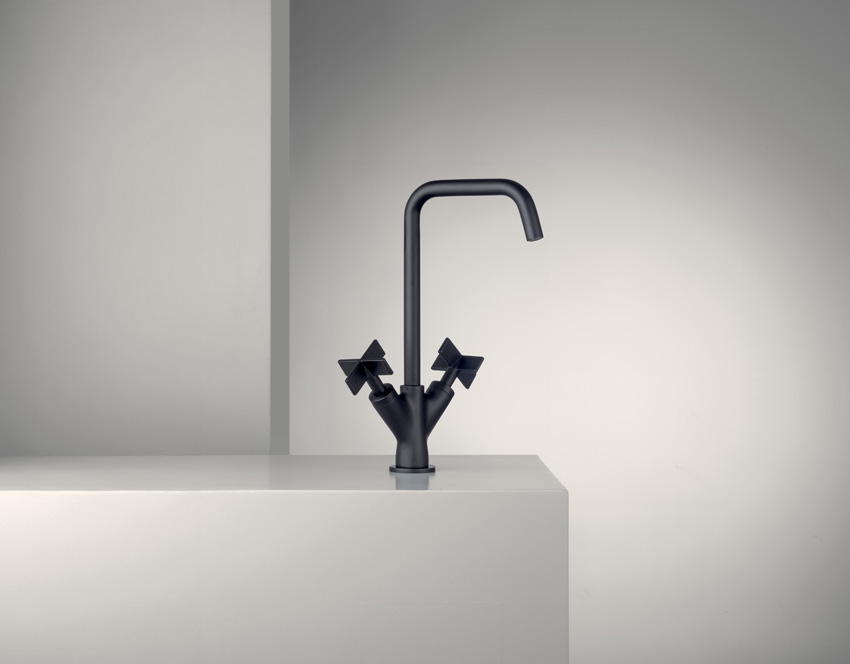
Una maniglia di design che definisce identità, ergonomia e coerenza formale nella rubinetteria bagno. Nel tempo, solo alcuni oggetti riescono a superare le mode. Non perché restino immutati, ma perché sanno evolvere mantenendo intatta la propria identità. Sono forme riconoscibili, gesti familiari, presenze che attraversano le epoche trovando ogni volta un nuovo equilibrio con il presente. Nel design, un classico nasce così: dalla capacità di durare nel tempo, di adattarsi, di restare rilevante. Una collezione che affonda le radici nella rubinetteria tradizionale e le rilegge con uno sguardo contemporaneo, trasformando il gesto quotidiano dell’acqua in un segno identitario. Il risultato è un linguaggio formale che non rincorre la tendenza, ma costruisce valore nel tempo. Al centro del progetto c’è la maniglia. Un elemento semplice, funzionale, universale, che in Don Chisciotte diventa gesto narrativo. La sua forma, ispirata alle pale dei mulini a vento, introduce una dimensione simbolica discreta ma potente.
Don Chisciotte: the designer handle that creates a new classic.
A designer handle that defines identity, ergonomics, and formal coherence in bathroom faucet design. Over time, only certain objects manage to transcend trends — not because they remain unchanged, but because they evolve while preserving their identity.
They are recognizable forms, familiar gestures, timeless presences that move through different eras, constantly finding a new balance with the present. In design, this is how a classic is born: through the ability to endure over time, adapt, and remain relevant.
A collection rooted in traditional faucet design, reinterpreted through a contemporary perspective, transforming the everyday gesture of water into a distinctive design statement. The result is a formal language that does not chase trends, but instead builds lasting value over time.
At the heart of the project is the handle: a simple, functional, universal element that, in Don Chisciotte, becomes a narrative gesture. Its shape, inspired by the blades of windmills, introduces a symbolic dimension that is both subtle and powerful.